
An electric forklift is a critical piece of equipment in a warehouse or logistics operation. Without one, you can’t get important work done day in and day out. It’s vital to keep your unit up and running, which starts with understanding electric forklift battery maintenance. This guide explores the essential practices for maintaining peak performance and ensuring the safety of your operators while maximizing the lifespan of your investment.
The Financial Reality of Equipment Care
Routine maintenance and cleaning of equipment can feel like a burden when you already have a busy work environment. Because of this, some companies fail to make it a priority, focusing on other aspects of the business, such as productivity. However, it’s hard to be productive if your forklift breaks down. Even if you have a fleet, losing one forklift has an impact on how much work gets done each day and how your warehouse runs.
The battery is the single most expensive component of an electric forklift. In many cases, it can represent up to 30% or even 40% of the total cost of the vehicle. Neglecting Forklift Battery Maintenance isn’t just a technical oversight; it is a financial drain. When a battery fails prematurely due to poor habits, you aren’t just losing a power source—you are losing hundreds of hours of potential labor and thousands of dollars in replacement costs.
Hidden Safety Hazards in the Battery Bay
One of the most critical reasons to put more effort into battery maintenance is safety. Discussion about forklift safety often centers around proper operation, safe working conditions, and following weight limits for the forks. It’s easy to overlook the potential threats hiding inside the mechanics of the unit.
An electric forklift battery can be dangerous if it is not properly maintained. One potential hazard is the risk of explosion or fire. In lead-acid systems, hydrogen gas is produced during the charging cycle. If the battery is overcharged or the room lacks proper ventilation, this gas can accumulate and create a volatile environment. Furthermore, if a battery is allowed to leak, the sulfuric acid can cause severe chemical burns to operators or damage the warehouse floor.
In addition to the risk of explosion, batteries that are not properly taken care of can pose a safety risk due to decreased performance. If the battery is not charged enough, the forklift may lose power while in use. Imagine a forklift losing steering or lifting power while carrying a 5-ton load in a tight space. The load may fall to the ground, resulting in broken inventory or, worse, hitting a shelving unit or a coworker.
Preventing Larger Electrical Repairs
Failing to maintain a forklift battery could also result in you spending more money in other ways. For instance, problems with your battery can affect the wiring and electrical systems of the forklift. Low voltage caused by a dying battery forces the forklift’s motors to draw more current to perform the same amount of work. This extra current generates heat, which can warp wires, blow fuses, and damage expensive motor controllers.
Rather than just paying the cost of the tools needed for forklift battery maintenance or the price of a new battery, you may also need to find the funds to cover electrical repairs or even replace the entire forklift. Repairing these items can take a significant chunk out of your bottom line and lead to weeks of downtime while waiting for specialized parts.
Understanding the Forklift Lifespan
In general, the expected lifespan of a traditional electric forklift battery ranges from 1,500 to 2,000 charge cycles—roughly five years of standard use. However, maintenance habits can impact your results significantly. Batteries that are consistently undercharged or overcharged suffer from decreased performance and may need replacement in as little as two years.
Additionally, the operating conditions impact lifespan. For example, batteries used in extreme temperatures or subjected to frequent vibration may have a shorter lifespan than those used in more moderate conditions. By committing to staying on top of cleaning and repairs, you can keep your team safer and prevent these unexpected costs.
Vital Steps for Lead-Acid Battery Upkeep
If your fleet utilizes traditional lead-acid technology, your Forklift Battery Maintenance routine must be disciplined. These batteries are chemical engines that require regular “feeding” and cleaning.
Checking Electrolyte Levels
The electrolyte levels in a forklift battery are a major part of maintenance. Most batteries have a liquid electrolyte solution composed of water and sulfuric acid. Maintaining the correct level is crucial to the proper functioning of the battery.
To check the levels, you must remove the cell caps and visually inspect each cell. If levels are too low, the lead plates are exposed to air, causing permanent damage known as sulfation. If levels are too high, the battery may overflow during charging.
- The Golden Rule:Always add water after the charging cycle is complete. Adding water before charging can cause the electrolyte to expand and boil over.
- Use Distilled Water Only:Tap water contains minerals like iron and calcium that interfere with the chemical reaction and can kill a battery within months.
The Cleaning Protocol
Cleaning involves removing dirt and “acid creep” that accumulates on the battery surface. Acid residue can create a conductive path between the terminals, leading to a “self-discharge” that drains the battery even when not in use.
- Gather Materials:Use a solution of water and baking soda to neutralize the acid.
- Apply Gently:Use a soft brush to scrub the surface, taking care not to let the cleaning solution enter the cells.
- Rinse and Dry:Wipe away the neutralized residue and ensure the unit is completely dry before putting it back into service.
The Rise of the Lithium-Ion Forklift
As technology evolves, many logistics operations are transitioning to the lithium-ion Forklift. These modern machines represent a massive shift in how we think about maintenance. Unlike lead-acid batteries, lithium-ion systems are largely maintenance-free. They do not require watering, they do not emit gases during charging, and they do not require an “equalization” charge.
While a lithium-ion Forklift has a higher upfront cost, the total cost of ownership is often lower. You save money on labor (no more watering crews), on space (no need for ventilated battery rooms), and on energy (lithium is more efficient at converting grid power into movement). However, maintenance for these units focuses on software and thermal management. Ensuring the Battery Management System (BMS) is functioning correctly is the primary task here.
Optimized Charging Habits for Longevity
Regardless of the battery type, how you charge your forklift dictates its health.
- For Lead-Acid:Avoid “opportunity charging.” These batteries prefer to be discharged to about 20% and then charged fully to 100% in one go. Short charges can “use up” the limited cycles of the battery prematurely.
- For Lithium-Ion:Embrace opportunity charging. A lithium-ion Forklift thrives on short bursts of power. Plucking the charger in during a 15-minute coffee break is actually beneficial for the battery and ensures the truck can run through multiple shifts without downtime.
Inspecting Physical Components
Your maintenance plan should also have a schedule for physical inspections. Regularly checking the status of components helps you plan repairs rather than reacting to sudden failures.
- Connectors:Visually check for signs of damage or wear. Make sure the connectors are secure and not loose or frayed. It’s much cheaper to replace a $50 connector than to fix a $5,000 battery damaged by an electrical arc.
- Cables:Look for frayed or broken wires. Ensure the insulation is intact. Cables are flexible and can end up folding into spaces where they shouldn’t be, such as near moving parts or hot motors.
- Using Proper Parts:If a repair is needed, always use manufacturer-recommended parts. Substituting incorrect cables or caps can cause resistance issues that shorten the battery’s lifespan or damage the forklift’s internal circuitry.
A High-Performance Solution for Modern Logistics
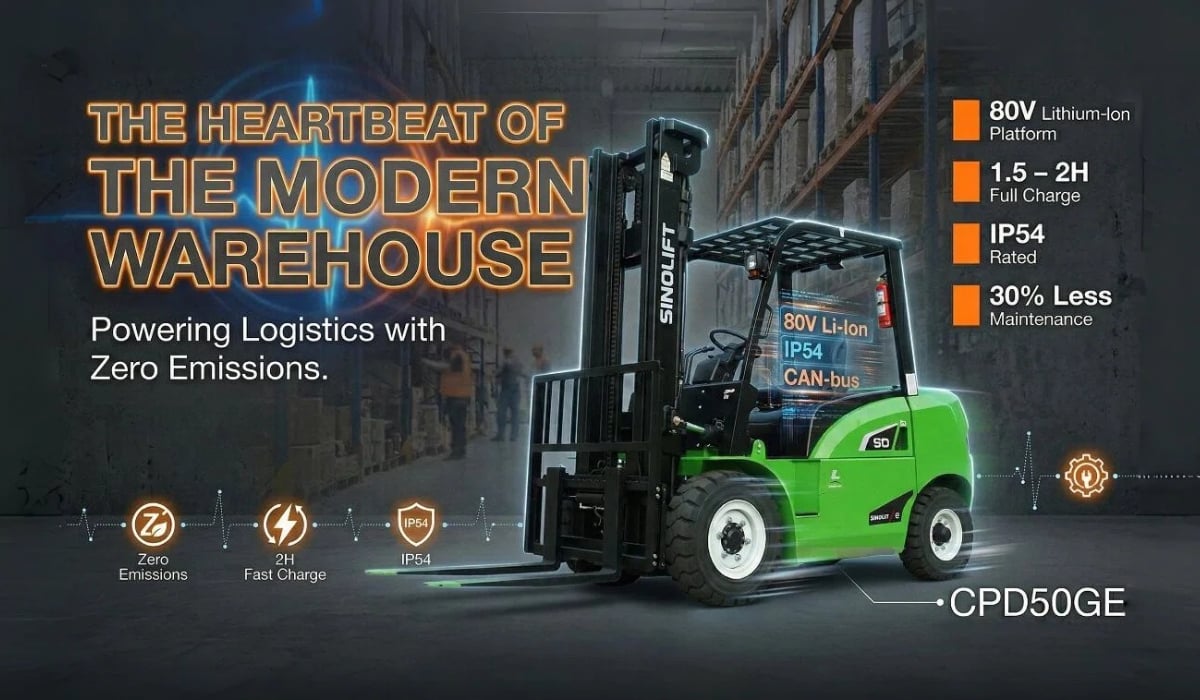
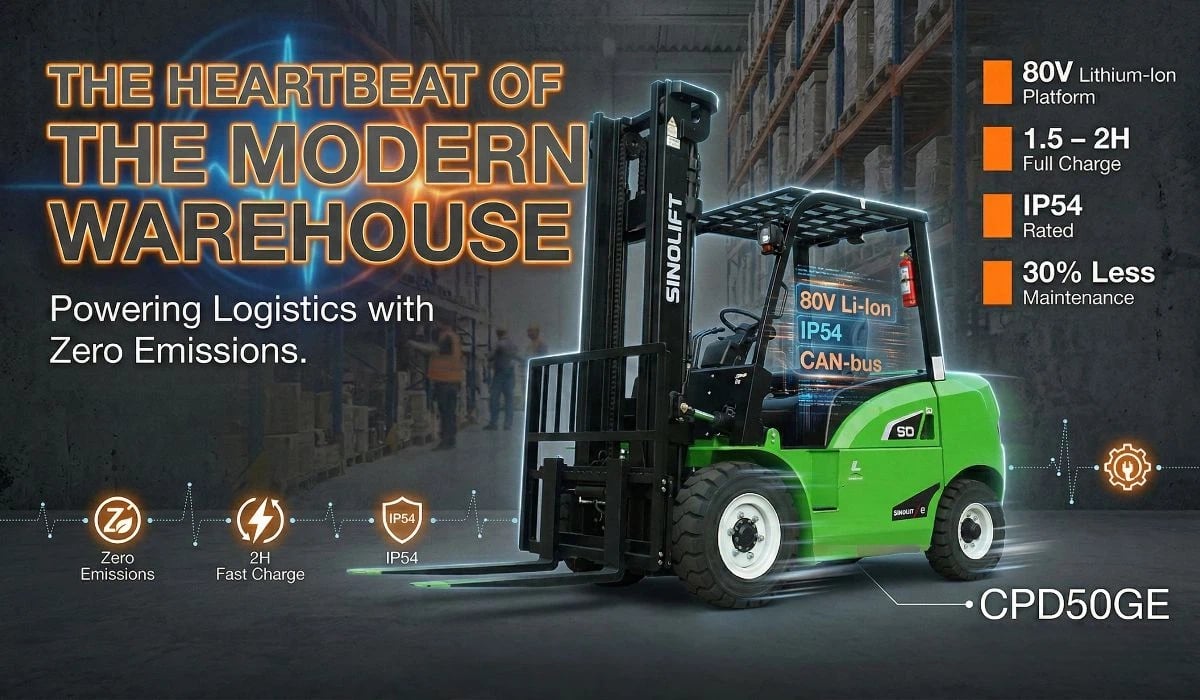
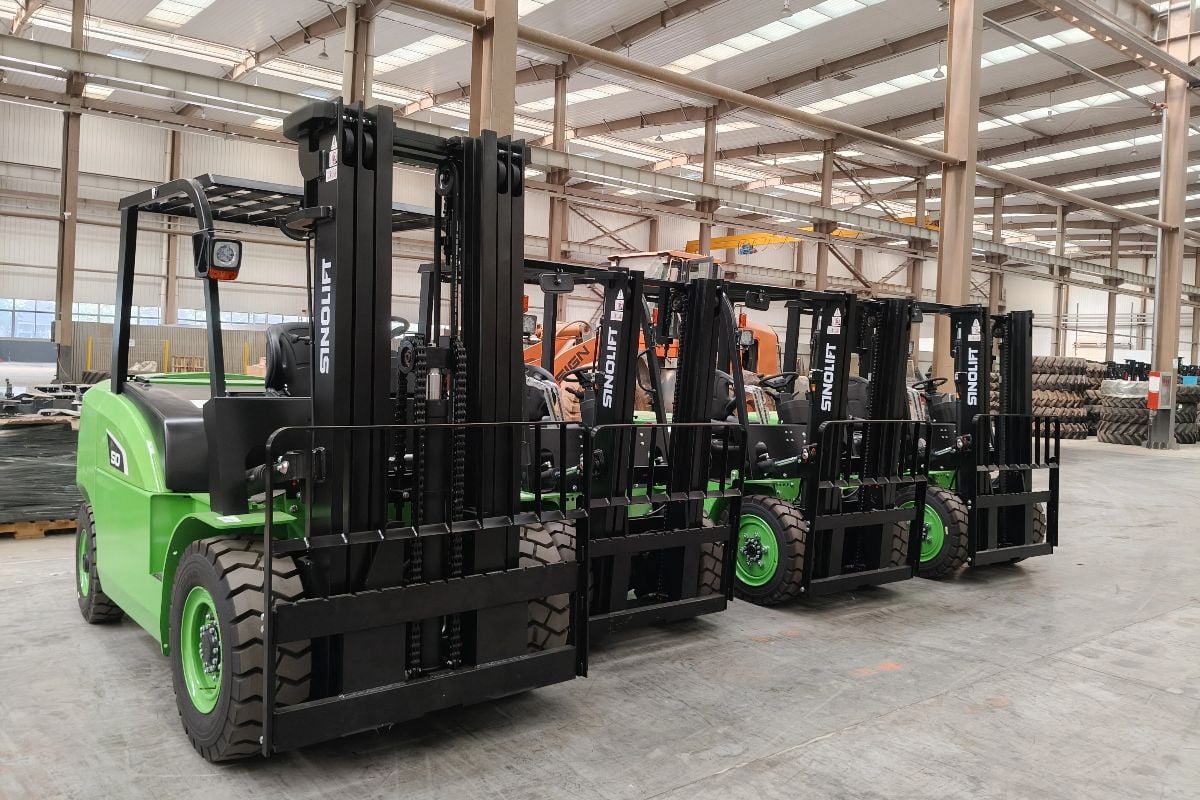
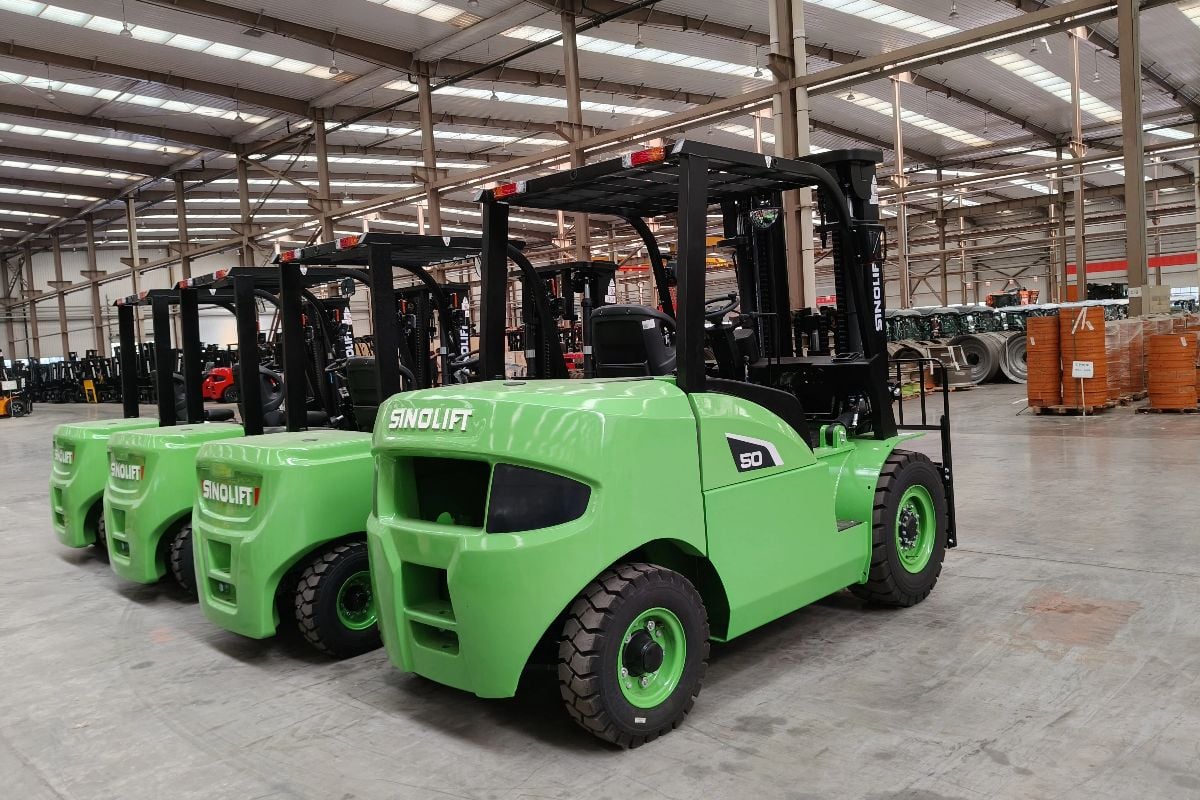
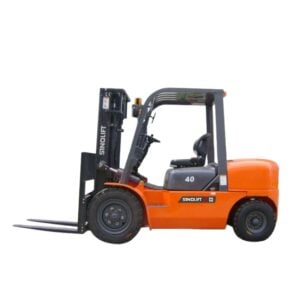
When you are ready to upgrade your fleet and reduce the burden of Forklift Battery Maintenance, the CPD50GE Lithium-Ion Counterbalance Forklift Truck is a premier choice. Designed by SINOLIFT for industrial material handling, this 5-ton powerhouse is engineered as a direct replacement for diesel forklifts in tough environments.
The CPD50GE provides the strength of internal combustion with the cleanliness and ease of a lithium-ion Forklift. Its advanced 80V lithium-ion system delivers consistent torque and lifting capacity even during the most demanding shifts.
Why the CPD50GE is the Smart Choice
- Zero Emissions & Zero Watering:Because it uses a high-performance lithium-ion system, you completely eliminate the hazardous tasks of battery watering and acid cleaning. This makes it ideal for indoor facilities where air quality and cleanliness are top priorities.
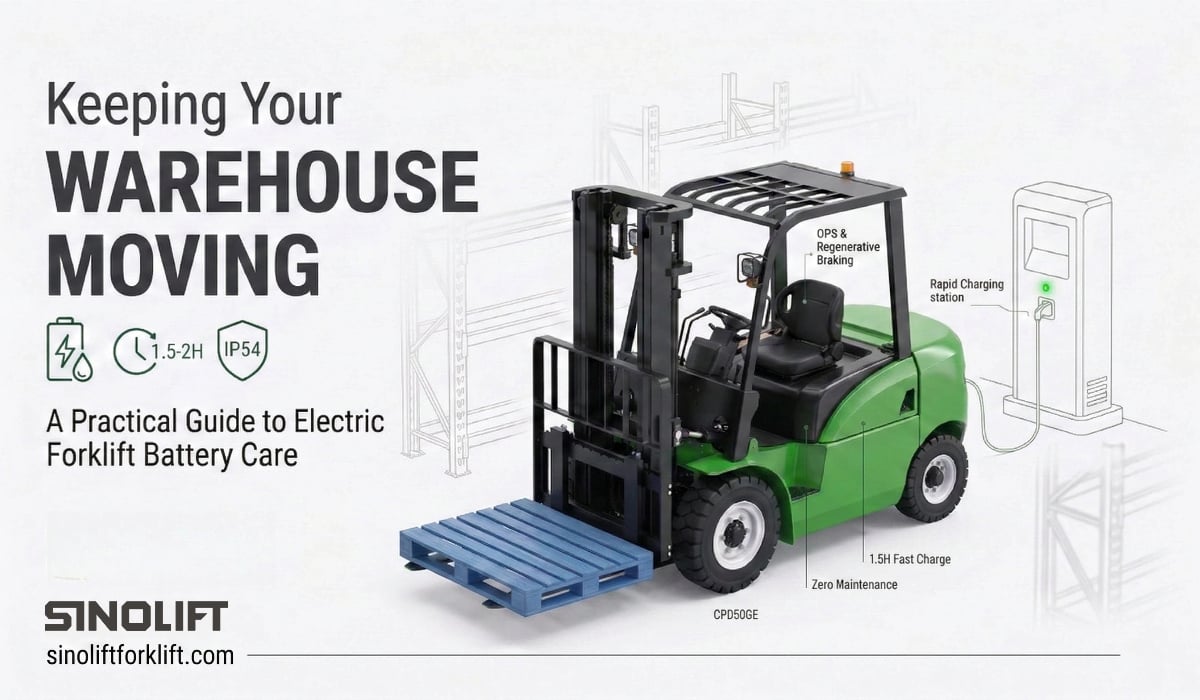
- Rapid Charging Efficiency:The CPD50GE can reach full power in just 1.5 to 2 hours. This supports continuous multi-shift operations through opportunity charging, meaning your team stays productive without waiting for long charge cycles.
- Built for Real-World Conditions:Unlike many electric forklifts, the CPD50GE is built on a durable internal combustion chassis. With IP54-rated electrical protection and cold-weather capability, it performs reliably in outdoor yards, docks, and temperature-controlled warehouses.
- Intelligent Safety:It comes equipped with an integrated CAN-bus system for real-time monitoring and diagnostics, alongside OPS operator presence sensing and regenerative braking.
Investing in a high-quality unit like the CPD50GE, combined with a disciplined Forklift Battery Maintenance schedule, ensures that your warehouse remains productive, safe, and cost-effective for years to come. If you’re ready to find the next forklift for your business, consider the sustainable power of lithium-ion technology from SINOLIFT.

 English
  Español
  Русский
  Português
  Türkçe
  Tiếng Việt