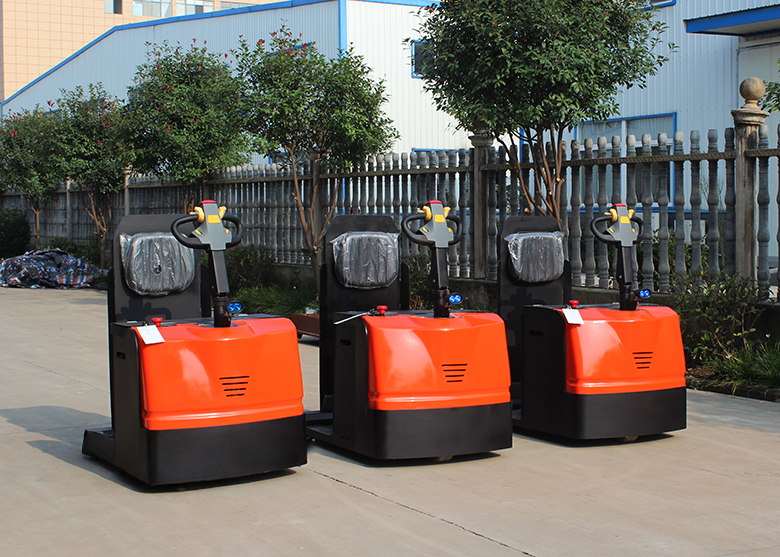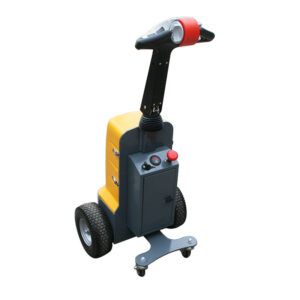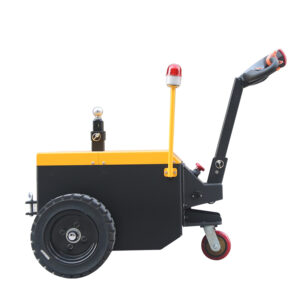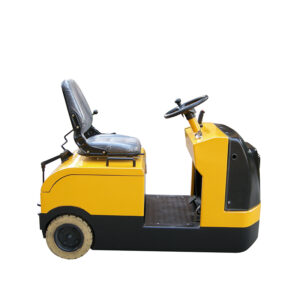
SINOLIFT EPQ30A Stand-On Electric Tow Tractor | 3 Ton Warehouse Towing Equipment with EPS & AC Drive

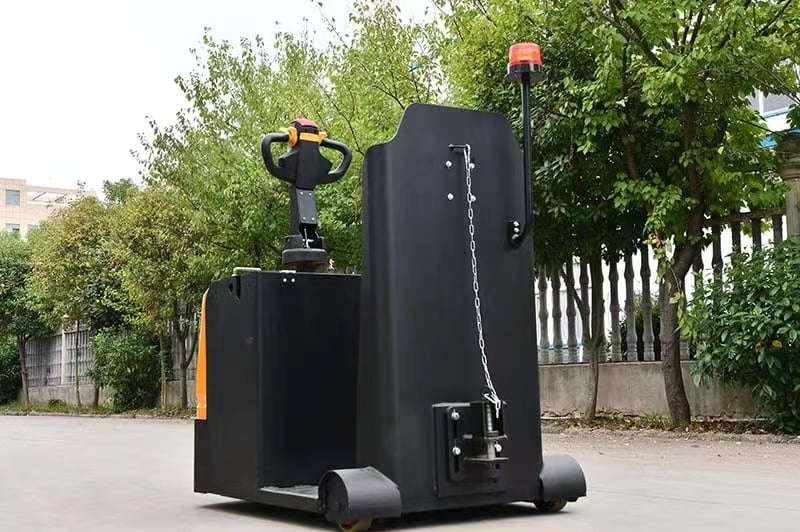
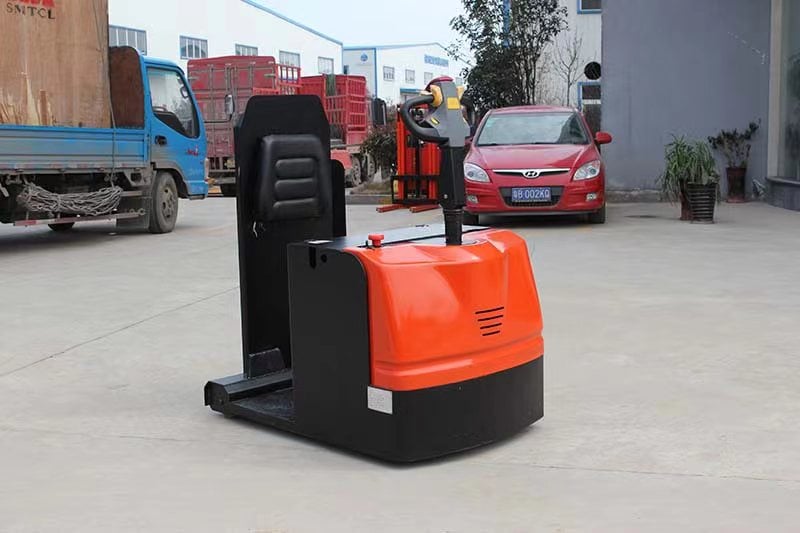
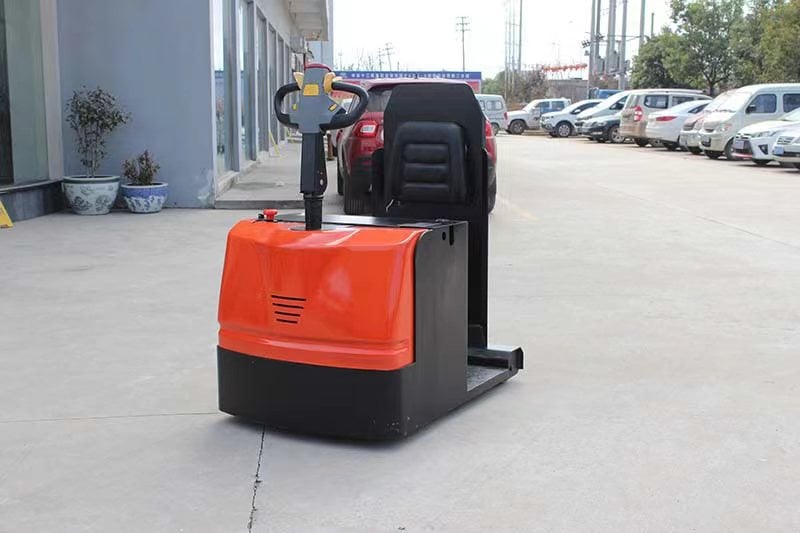
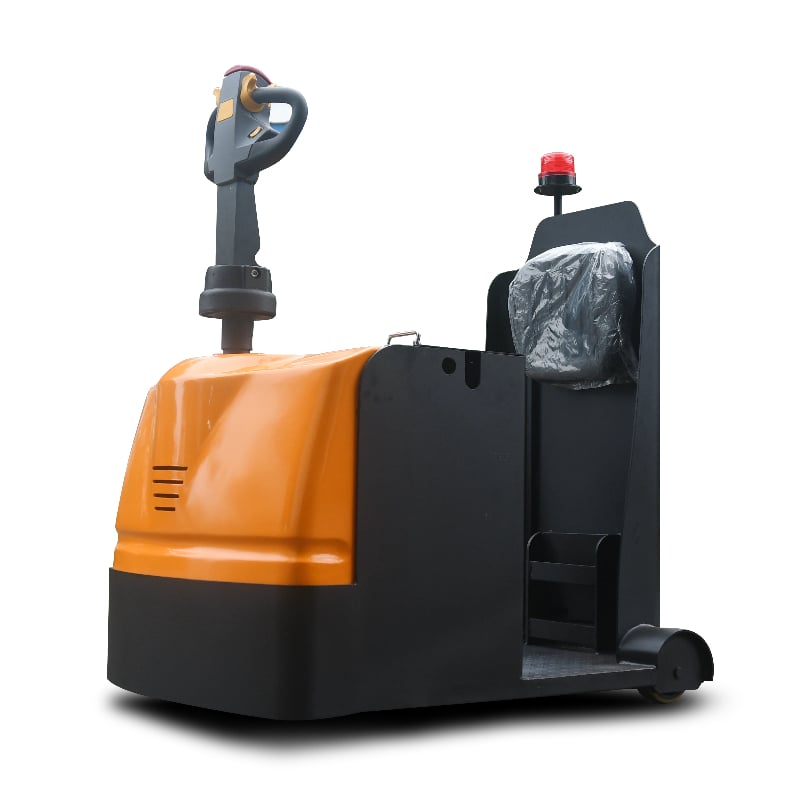
SINOLIFT EPQ30A Stand-On Electric Tractor is designed for efficient material towing in warehouses and factories. Featuring an AC drive system with high torque, it ensures smooth operation on slopes and uneven surfaces. The EPS electronic power steering provides flexible handling, while the maintenance-free design and large battery capacity enhance productivity. Ideal for logistics, manufacturing, and large retail environments.

Features

EPQ30A Stand-On Electric Tractor – Key Features

Powerful & Efficient AC Drive: The maintenance-free AC drive system delivers high torque and strong gradeability, ensuring reliable towing power and smooth operation on various surfaces, including slopes. The high-efficiency motor contributes to extended battery life.

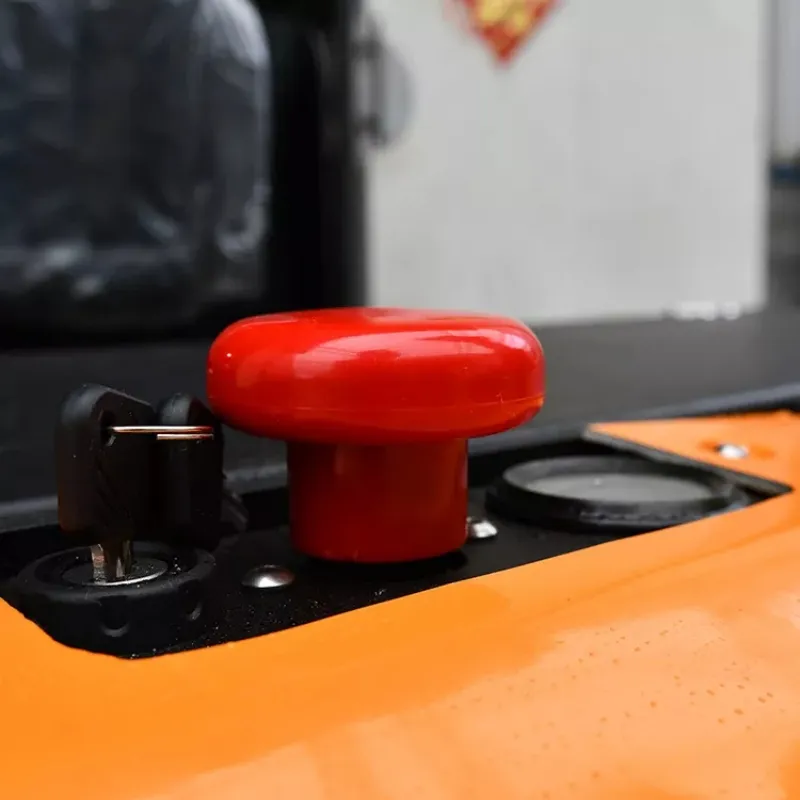
Enhanced Safety & Control: Integrated safety systems include electromagnetic braking, an automatic parking brake to prevent roll-away, and an emergency power disconnect switch. The EPS electronic power steering offers precise, flexible handling for improved operational safety.

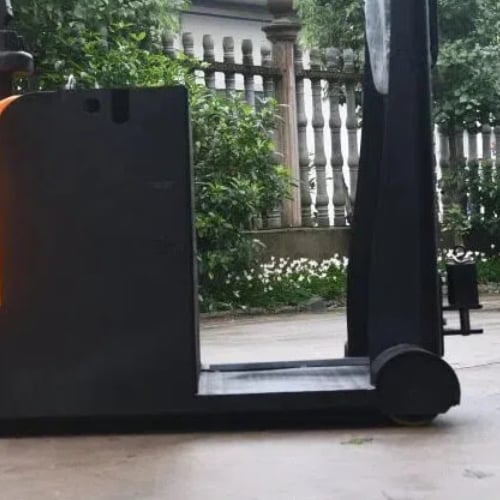
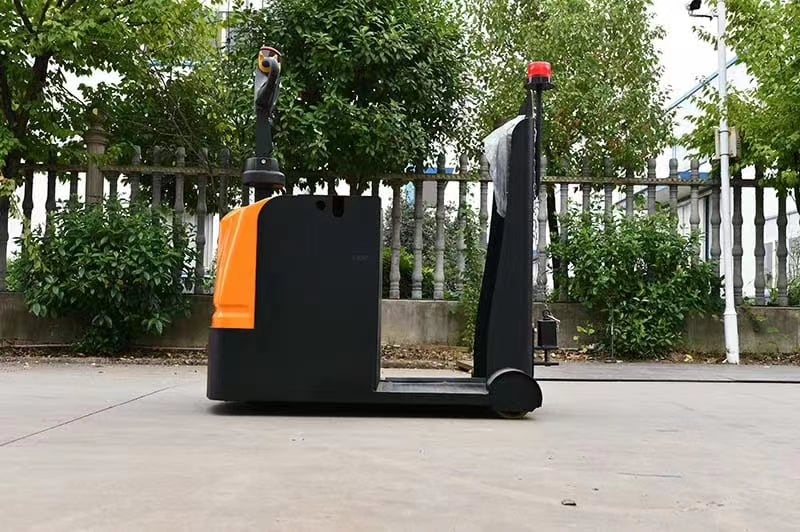
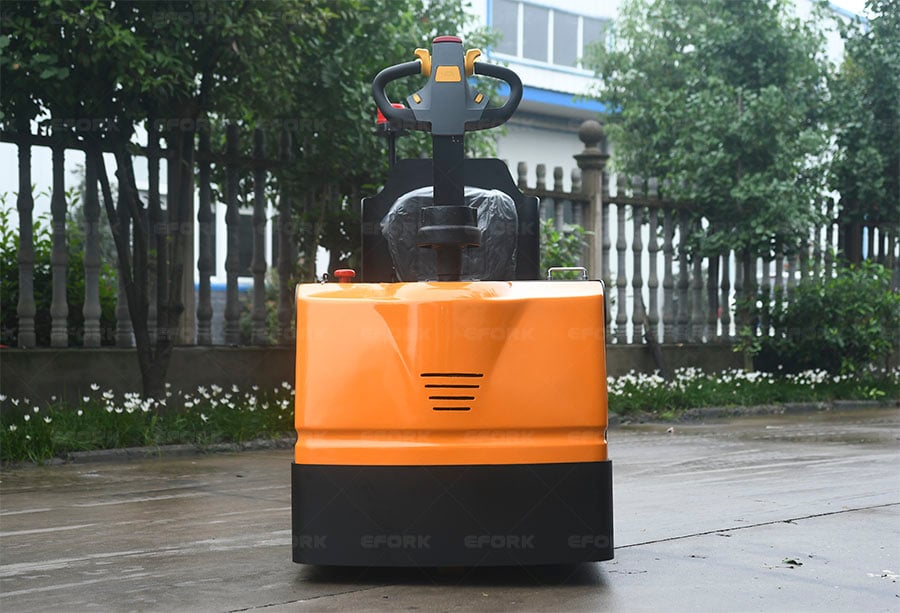
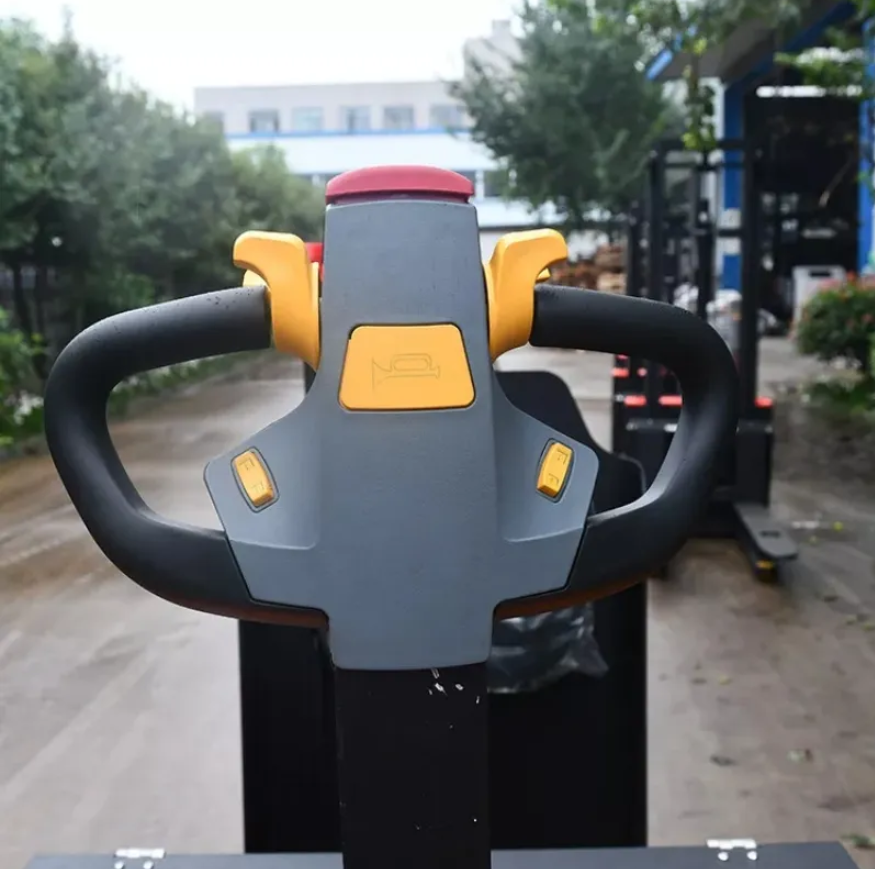
Operator-Focused Design: Features a low center of gravity for stability, a multi-function control handle, and a wide, comfortable standing platform. This ergonomic design reduces operator fatigue and increases comfort during long shifts.

Smart & Durable Build: Equipped with a power meter for battery management and large-diameter solid tires suitable for diverse floor conditions. Its robust construction ensures durability in demanding industrial environments like warehouses, factories, and logistics centers.


Parameters

Characteristic Model EPQ30A
Power Electric
Operation Type Standing Type
Load Capacity Q(kg) 3000
Load Traction C(N) 600
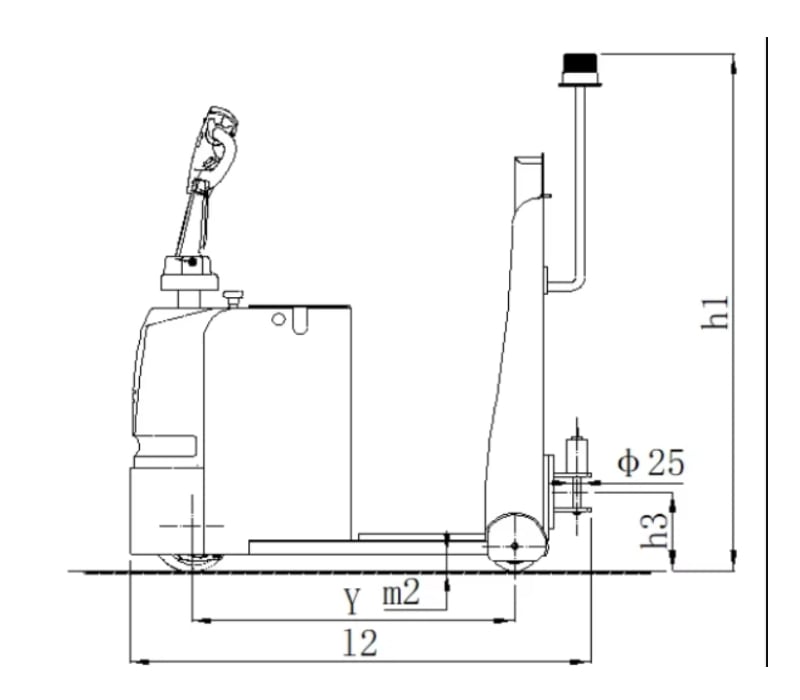
Wheelbase Y(mm) 967
Weight Self-weight With Battery kg 550
Battery Weight kg 180
Wheels Wheel Type PU
Front Wheel ×w(mm) φ150X50
Rear Wheel ×w(mm) φ230X75
Dimensions Vehicle Height h1(mm) 1600
Traction Hook Height h3(mm) 200-270
Vehicle Body Length l2(mm) 1380
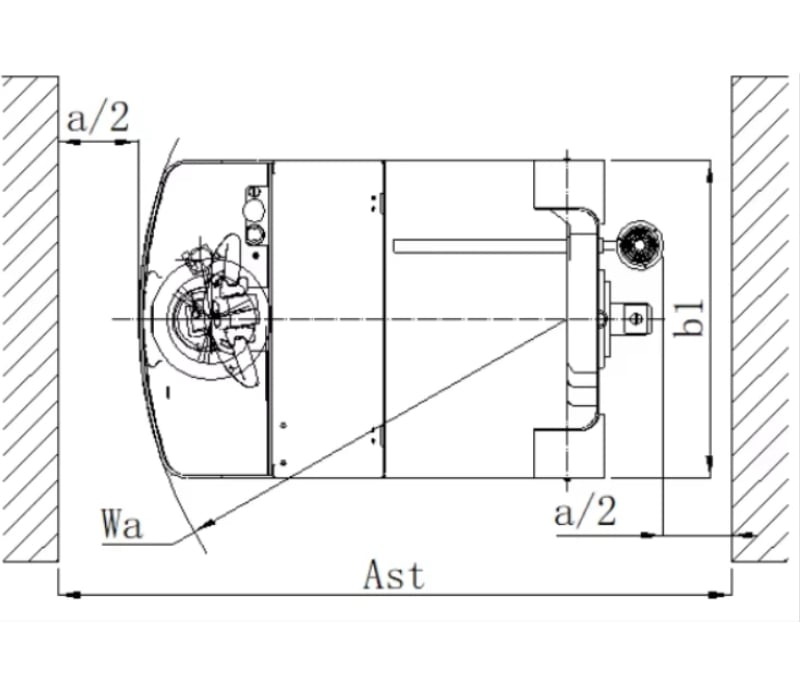
Vehicle Body Width b1(mm) 850
Ground Clearance m2 40
Turning Radius Wa(mm) 1160
Performance Driving Speed, Unladen/Laden km/h 6.7/4
Max. gradeability, Unladen/Laden 45875
Max. traction, Laden N 1800
Service Brake Electromagnetic
Motor Drive Motor kw 1.5
Battery Lead Acid
Battery voltage/nominal capacity V/Ah 24V/210Ah
Charger V/A 24V/30A
Other Type of drive control AC
Sound level at the driver’s ear acc. to EN12053 dB(A) 75
The data is for reference only, and the details shall be subject to the actual vehicle.

Product Details

Media Gallery

FAQ

  • Q1: How do I choose between a seated and a Stand-on towing tractor?

    When choosing between a seated and stand-on towing tractor, consider distance and frequency of stops. For longer distances with few stops, a seated model offers comfort and ergonomics. If operators frequently hop on/off (e.g., short routes or multi-stop tasks), a stand-on tractor is more efficient. Stand-on designs prioritize quick access, while seated versions reduce fatigue over extended use.  No matter you choose Sinolift's seated or stand-on tow tractor, you’re getting a high-performance machine with excellent acceleration, productivity-enhancing ergonomics, and long-lasting reliability. 
  • Q2: Do I need a license to operate a pedestrian electric towing tractor?

    No, you do not need a license to operate a pedestrian electric tow tractor. Unlike forklifts, which require certified operators, electric tractors are designed for safe, license-free use by any trained employee. They move loads horizontally without lifting, exempting them from regulations like LOLER. This eliminates downtime waiting for licensed personnel and simplifies workflow integration. However, basic training on controls, load limits, and safety protocols is recommended to ensure efficient and accident-free operation. Always consult your local workplace safety guidelines, but generally, electric tractors offer a flexible, compliant solution for material handling without licensing hurdles.
  • Q3: What types of attachments can be used with an electric towing tractor?

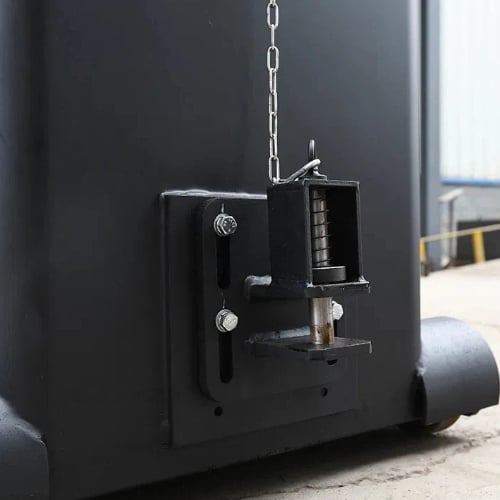
    Electric towing tractors are highly versatile and can be equipped with a range of attachments to suit different needs. Common options include cabins, canopies, bumper bars, powered accessories, bin trailers, and custom-designed solutions. Additionally, specialized towing attachments can be tailored to specific applications, ensuring optimal performance in material handling, logistics, and industrial tasks. If you have a specific application in mind, we can provide or design compatible attachments to optimize your electric towing tractor’s performance.
  • Q4: What are the key maintenance and inspection requirements for a towing tractor?

    Proper maintenance ensures safety, efficiency, and longevity of towing tractors. Key steps include: • Battery Maintenance: Follow correct charging procedures and check electrolyte levels (if applicable) to maximize battery life. • Tire Care: Inspect for wear, cracks, and proper inflation to maintain traction and stability. • Pre-Operation Checks: Test brakes, lights, horn, steering, and hydraulics before each shift. • Scheduled Servicing: Adhere to the manufacturer’s maintenance schedule for oil changes, filter replacements, and system diagnostics. Regular inspections and timely repairs prevent breakdowns and ensure safe operation. Always document maintenance activities for compliance and record-keeping.
  • Q5: What are the key precautions when operating a towing tractor?

    Safe operation of a towing tractor requires attention to the following: • Load Distribution: Ensure loads are balanced and secured to maintain stability and prevent tipping. • Speed Control: Follow speed limits and adjust for load weight, terrain, and visibility conditions. • Pedestrian Awareness: Stay alert in work zones, use horns when needed, and follow marked pathways. • Proper Hitching: Correctly attach trailers/carts and verify couplings before moving. Additionally, avoid sudden stops/starts and always check brakes and steering functionality. Training and adherence to site safety protocols are essential.

Optional Extras

en_USEnglish

Leave Your Message